Crime Prevention Solutions
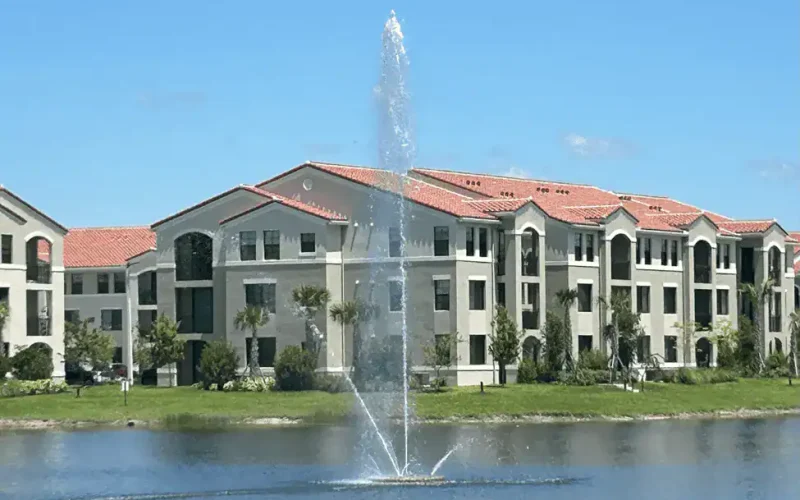
Florida Security Assessments specializes in enhancing safety through crime prevention solutions for a variety of properties, including apartments, condominiums, businesses, schools, and places of worship. Our expert Florida CPTED Practitioner conducts thorough site inspections to identify potential security vulnerabilities. By applying Crime Prevention Through Environmental Design principles, we develop customized plans to protect people and property.
Get a free security
assessment consultation

Safer Communities. Fair Pricing
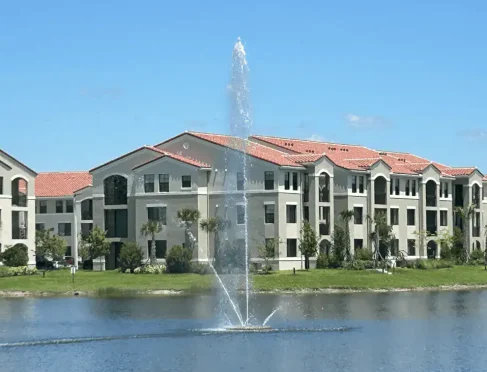
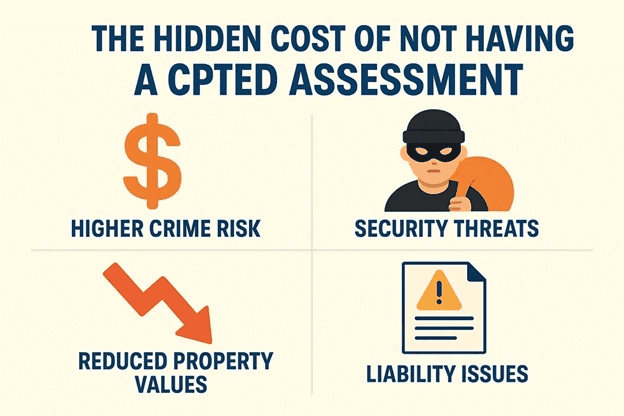
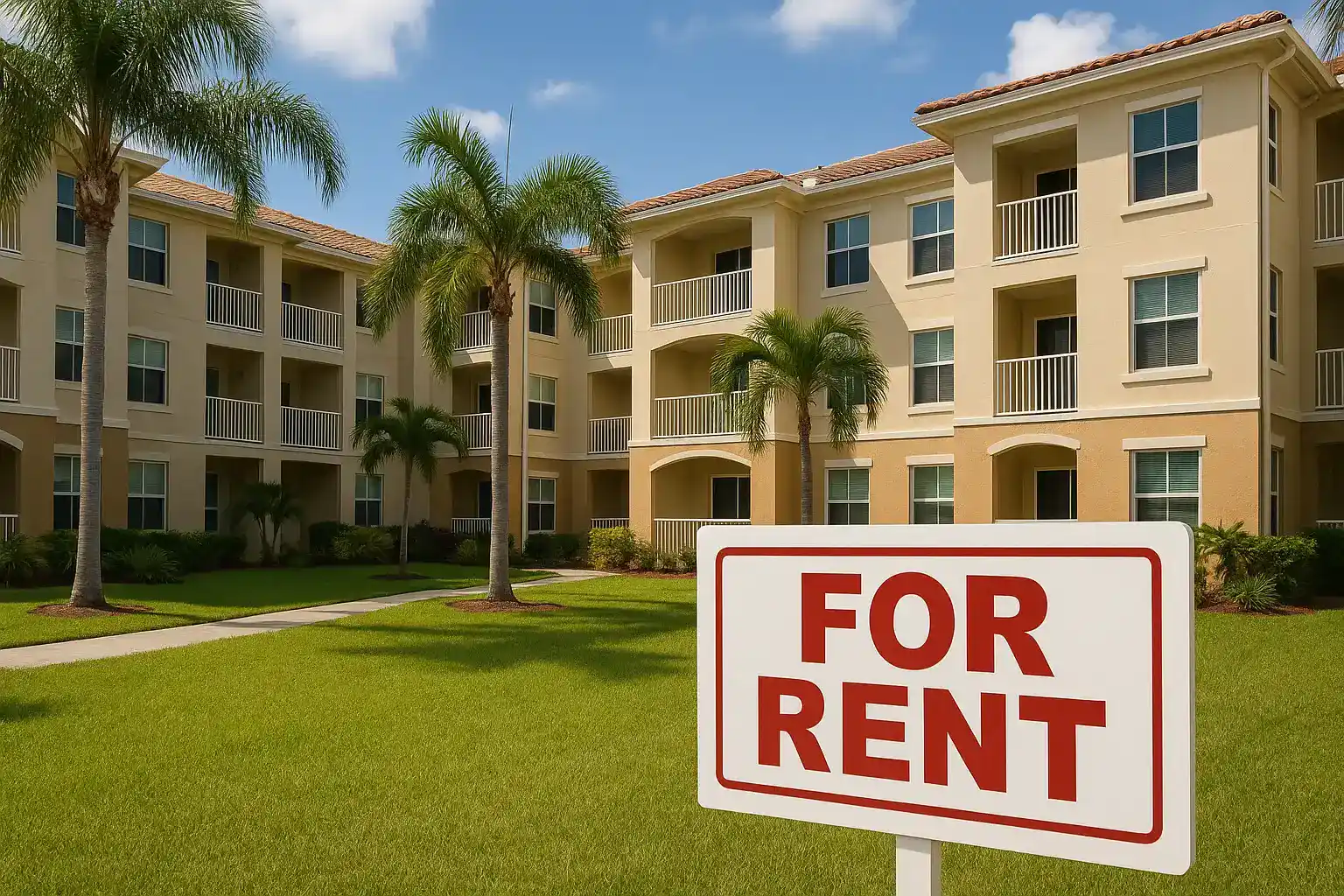
Affordable CPTED Security Assessments for Multifamily Properties
Compliant with Florida Statute 768.0706 • Actionable • Budget‑friendly
get a free security assessment
consultation today
Comprehensive CPTED Security
Assessments & Consulting
Safety & Security
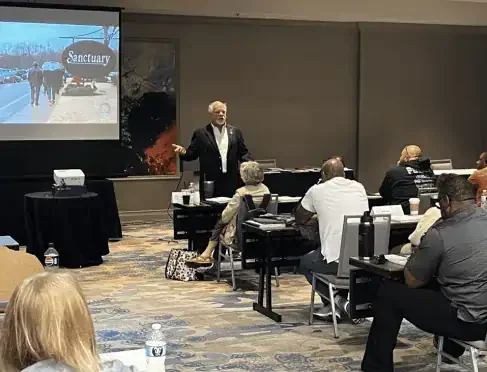
Training
Educational programs to equip individuals with the knowledge and skills needed to effectively respond to emergencies, identify risks, resolve conflicts, implement physical security measures, and understand legal and ethical considerations for a safer environment.
Physical Site Security Assessments
We provide expert physical security site assessments to identify and mitigate potential risks. Our tailored solutions enhance safety and security, ensuring peace of mind for your assets, employees, and visitors.
Lighting
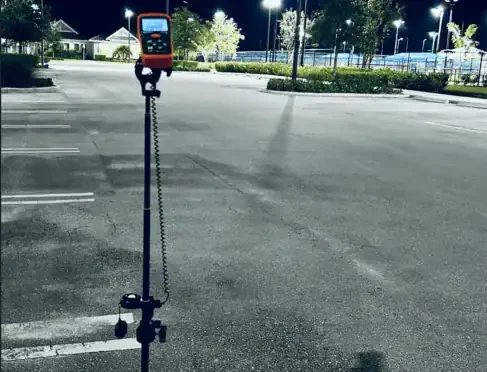
Survey
Improved lighting can be an effective crime prevention tool because it can improve surveillance and heightens the likelihood of offenders being detected. People feel safer in a well illuminated area.
More Details
Houses of Worship
Safety & Security
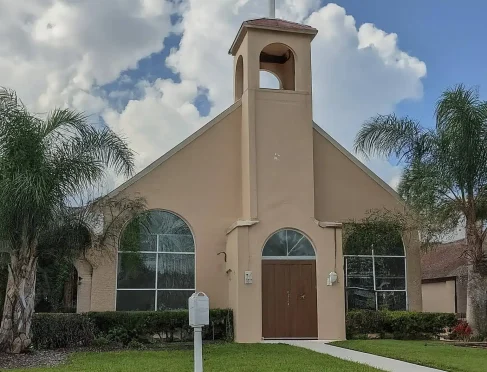
Houses of Worship are not immune from crime. A thorough site assessment and training for staff and congregants can make all the difference.
FAQ’s
Frequently
Asked Questions
Crime Prevention Through Environmental Design (CPTED) is a multidisciplinary strategy for deterring criminal behavior and protecting a community. It is grounded in the idea that the environment can impact response to crime and social control. CPTED principles aim to create environments that are more conducive to safety and security, reducing the opportunities for crime to occur.
CPTED Principles
CPTED (Crime Prevention Through Environmental Design) is a strategy that uses environmental design to deter crime. It focuses on four key principles:
- Natural Surveillance: Creating spaces where people can easily see what’s happening, such as through good lighting and clear sightlines.
- Territorial Reinforcement: Designing spaces that give residents a sense of ownership and control, like well-defined property lines or community gardens.
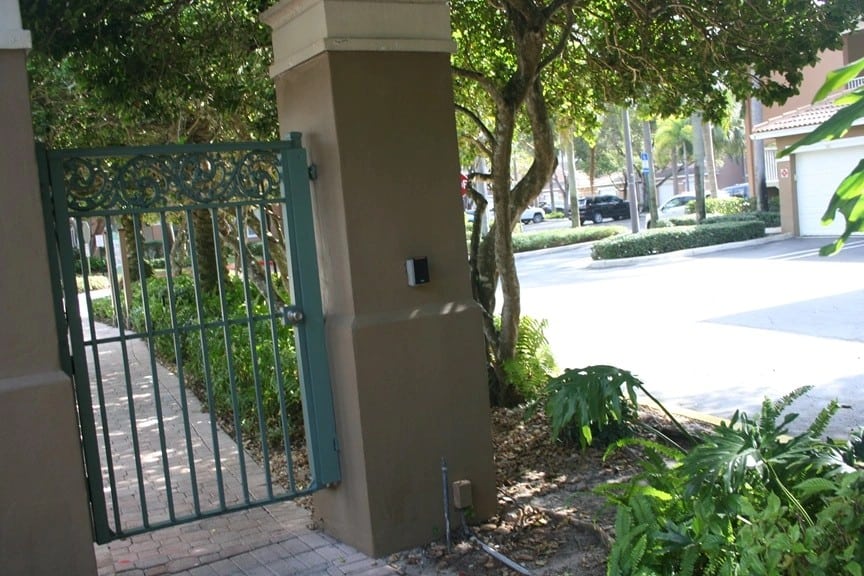
- Access Control: Limiting access to buildings and areas through controlled entrances and exits.
- Maintenance and Order: Keeping spaces clean, well-maintained, and free of vandalism to create a positive image.
These principles can be applied to various locations, including neighborhoods, commercial areas, and public spaces. By incorporating CPTED into design and planning, we can create safer and more welcoming environments.
A CTPED Assessment will identify the positive areas of the properties’ current environment and areas that need improvement. Areas needing improvement, including safety and security vulnerabilities, will be identified and options to consider for corrective actions will be provided to help the owner or principal operator make informed decisions on how to make the environment safer and, for multifamily residential properties, get them in compliance with FS 768.0706 (HB837).
A security site assessment (or physical security risk assessment) is a comprehensive evaluation conducted by a security professional. It typically includes an inventory of the assets to be protected and recommendations on how best to protect them. A strong physical security risk assessment will consider how to protect from external threats, natural disasters, and internal damage.
Florida Statute 768.0706 mandates enhanced safety measures for multifamily residential properties. A core component of this law is Crime Prevention Through Environmental Design (CPTED).
CPTED is a strategy that leverages physical environment design to deter crime and improve overall safety.
The law offers property owners and operators a presumption against liability for crimes committed by third parties if they implement specific security measures:
- Security cameras at entrances and exits
- Well-lit parking areas and walkways
- Secure doors and windows (deadbolts, locks, peepholes)
- Locked pool gates
To ensure compliance, all multifamily properties must undergo a CPTED assessment by a qualified professional or law enforcement agency before January 1, 2025. This assessment must be updated every three years, and property owners must maintain substantial compliance with its recommendations.
A Florida CPTED Practitioner (FCP) is a certified expert in Crime Prevention Through Environmental Design (CPTED). They have completed rigorous training and coursework to understand how to use physical design principles to deter crime.
To earn the FCP designation, individuals must undergo 64 hours of comprehensive CPTED training, including both basic and advanced courses. This training covers topics like property design, surveillance, access control, and community involvement.
Once certified, FCPs must maintain their credentials by completing continuing education courses every three years.
Essentially, FCPs are professionals who can assess properties, identify security vulnerabilities, and recommend design changes to improve safety and reduce crime.
Ron Vosatka, FCP, for Florida Security Assessments has acquired the credentials through FCPTI and is also a contract instructor for FCPTI teaching law enforcement professionals on Crime Prevention and has maintained a contract with the State of Florida Attorney General’s Office for many years.
Insights
Insights
Get In Touch With Us
Address
Florida Security Assessments, LLC
11582 SW Village Parkway
Unit #540
Port St Lucie, FL 34987
Phone
+561-320-3385
Email
info@floridasecurityassessments.com